
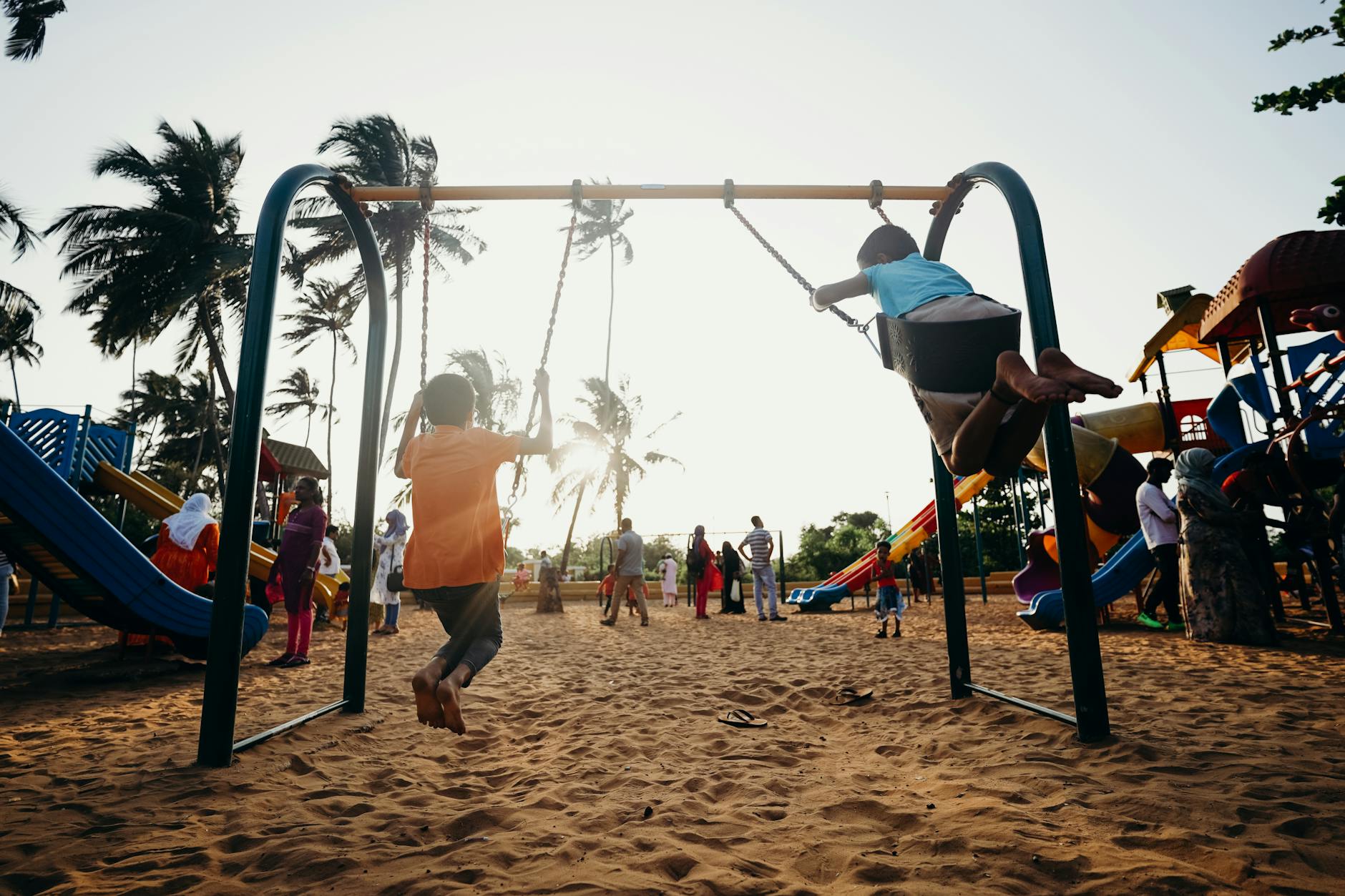
Preschoolers are still getting the hang of their fast-growing bodies. Their feet are suddenly bigger, their legs longer, and their sense of space? Still catching up. Trips, stumbles, and zigzag running are part of the learning curve. But how do you know if it’s just a phase or something more?
What’s typical preschool clumsiness?
- Occasional tripping when running too fast
- Falling during new or challenging physical tasks
- Occasional bumping into furniture or people during busy play
As long as they’re generally improving and having fun, these spills are part of the process. Preschoolers are still learning coordination, balance, and body awareness—skills that don’t fully mature until closer to age 7.
When to take a closer look:
- Your child frequently falls on flat ground
- Struggles to go up or down stairs independently
- Can’t pedal a tricycle or steer toys without crashing
- Seems awkward or “floppy” when running or jumping
- Gets easily frustrated with movement games
- Avoids physical play altogether
These could be signs that your child needs extra help developing motor planning, core strength, or bilateral coordination (using both sides of the body together).
It’s easy to compare your child to others on the playground, but remember: every child develops differently. If your gut says something feels “off,” it’s always okay to ask. Helping your child move confidently today builds the foundation for a lifetime of active, joyful play.
Please contact me if you have questions or concerns with your child’s motor development. I have 25 years of experience helping kids be kids 🙂
Leave a Reply